


SaaS sales tax
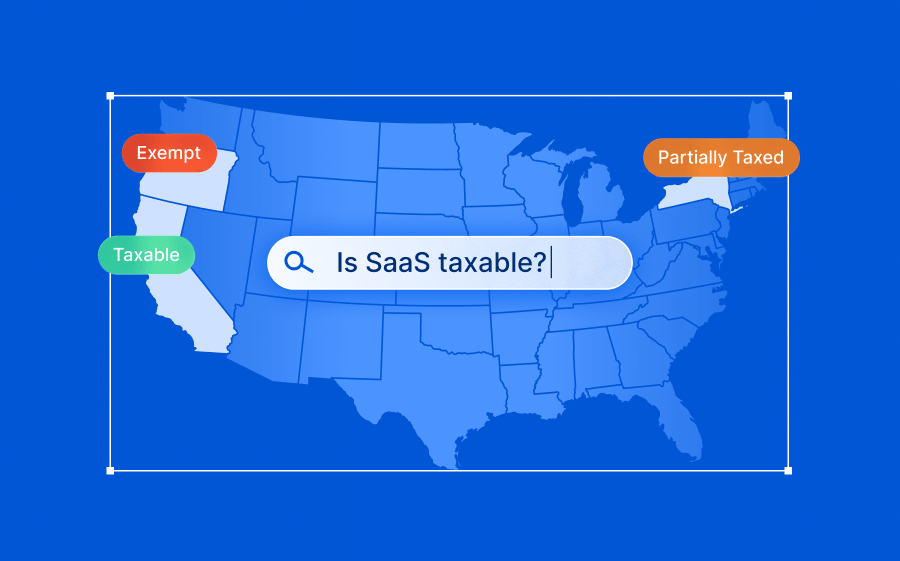
Sales tax laws were originally written for physical goods, and states don’t always agree on how software should be taxed. The same SaaS subscription may be fully taxable in one state, exempt in another, and only partially taxable somewhere else. This hub explains where SaaS is taxable, how to manage sales tax across your billing stack, and what you need to know about registration, collection, and filing as your business grows.
Editor’s picks
The content every SaaS and software founder should see before sales tax becomes a board-meeting topic. Start here.
Is SaaS taxable in your states?
Each state defines software differently, and the answers don't follow a pattern. State-by-state breakdowns of how SaaS is classified and taxed.




The SaaS sales tax fundamentals
The lay of the land: which states tax SaaS, how they classify it, and what a working compliance setup looks like for a software company.

Sales Tax Radar by TaxCloud
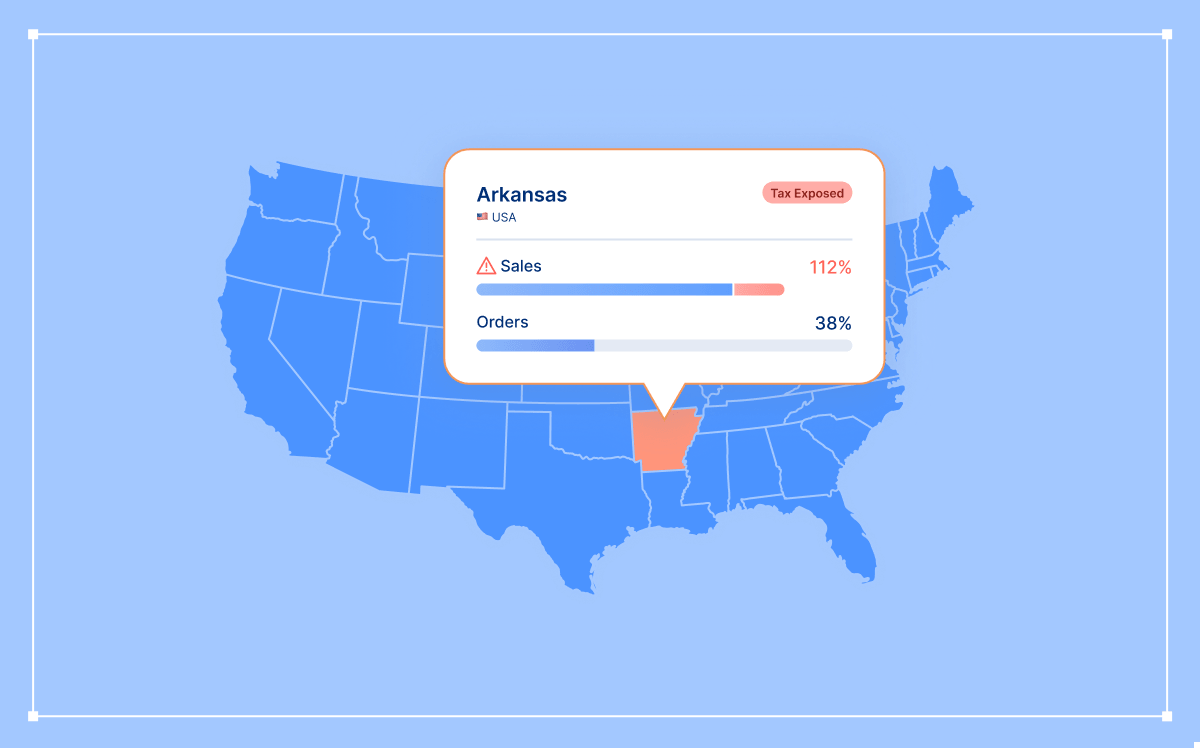
States keep rewriting the rules on SaaS and software: new tax rates, new rules, court rulings that change everything. TaxCloud tracks it all and sends you the changes that actually affect you, in plain English.
- California will tax SaaS and prewritten software in 2027 Effective date: January 1, 2027
- Colorado expands sales tax to SaaS, downloaded software, and mobile apps Effective date: January 1, 2027
- Utah expands sales tax to streaming, subscriptions, and seller-hosted software Effective date: July 1, 2027
- Virginia considers major digital sales tax expansion for 2027 Effective date: July 1, 2027
- Washington will waive penalties on back tax for software services March, 2026
- New York court reinforces SaaS taxability as prewritten software January, 2026
- Kentucky confirms AI-powered software remains taxable in 2026 January, 2026
Sales tax in your billing stack
Stripe and Chargebee run your billing, but neither one files your returns. How sales tax actually works inside a SaaS billing stack.
Comparisons and switching
Stripe Tax, Anrok, TaxCloud: how the options stack up for SaaS companies, and what the pricing models look like as your state count grows.



Recently published
-

How to set up tax in Stripe
-

Stripe Tax alternatives: Find the best option for your ecommerce business
-
SaaS sales tax by state: Is SaaS taxable in 2026?
-

Scaling smart: How to strengthen your SaaS billing, payments, and compliance systems
-

SaaS sales tax cleanup after an acquisition: a playbook for finance teams
-
Sales tax tools for SaaS and subscription businesses using Chargebee
SaaS sales tax FAQs
In some states, yes.
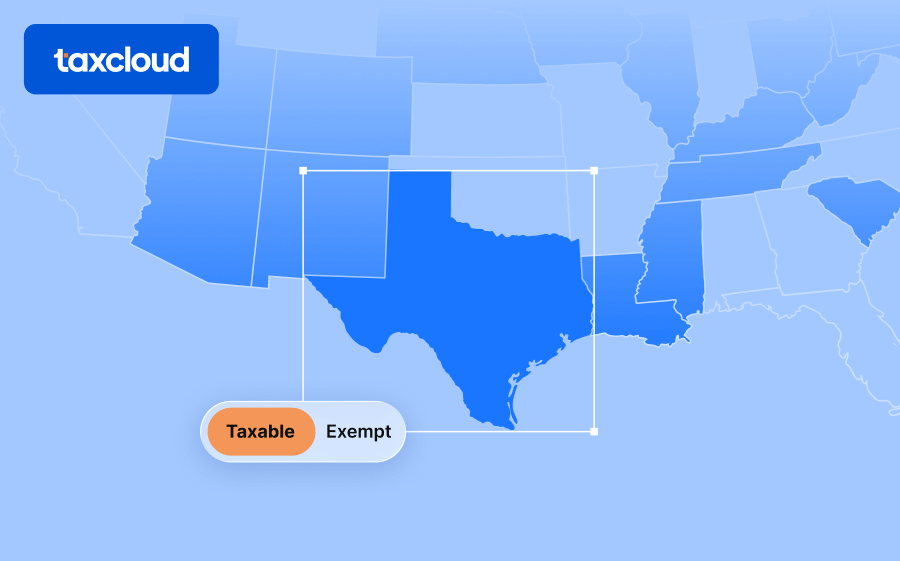
Roughly 20 states tax SaaS in some form, but each defines it differently: New York taxes it as prewritten software, Texas taxes 80% of the charge as data processing, and Florida exempts it entirely. There is no national rule.
Florida is among the states that exempt SaaS because no tangible property changes hands. Exemptions can depend on delivery method and whether the buyer is a business or consumer, so check the specific state rule.
Stripe Tax can calculate tax on Stripe transactions but doesn’t handle registration, and Chargebee relies on third-party tax tools. Neither files your returns; filing, registration, and multi-state nexus tracking need a dedicated provider.
When you have nexus in a state that taxes SaaS: typically $100,000 in sales into the state, or a physical trigger like a remote employee. Register before you start collecting.
They can. An employee working from a state generally creates physical nexus there, which means registration and collection obligations if that state taxes SaaS.
Yes. SST is a program where 24 states cover the cost of filing when you work with a Certified Service Provider, and it applies to software companies the same as ecommerce sellers.
Ready to simplify your sales tax?
Join thousands of growing businesses who've made the switch to reliable, affordable sales tax compliance with TaxCloud.
Contact SalesNew to TaxCloud? Start 30-Day Free Trial


