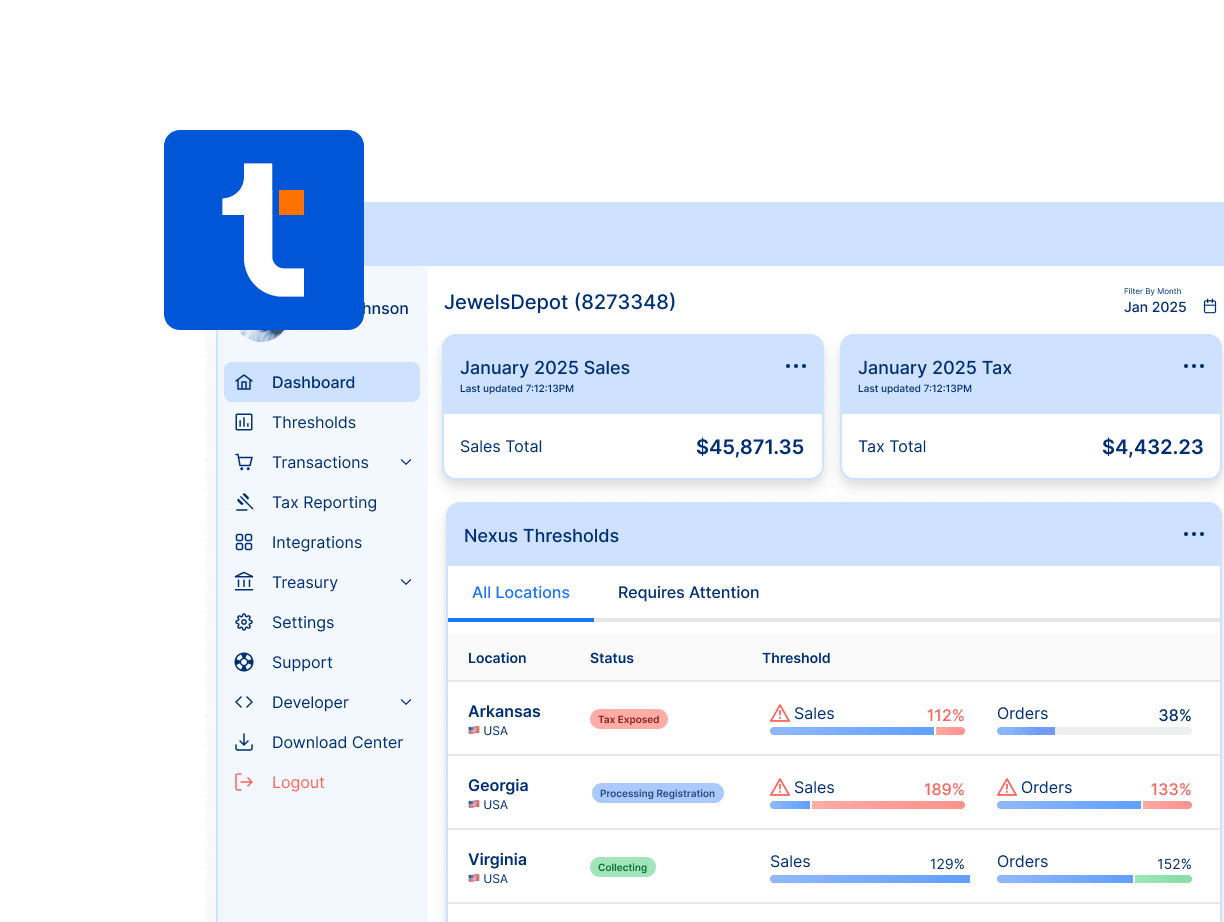
Scaling smart: How to strengthen your SaaS billing, payments, and compliance systems

Written by

Director of Growth, TaxCloud

CEO, TaxCloud

Published
In our recent webinar, Scaling Smart: Getting Billing & Compliance Growth-Ready, we spoke with leaders from Chargebee, GoCardless, and TaxCloud about what growing SaaS businesses can do when growth starts to move faster than their systems — and how to get ahead before it becomes a problem.
This recap pulls together their key lessons and practical tips to help SaaS finance teams build systems that scale with confidence.
Here’s what we’ll cover:
- The three biggest challenges SaaS finance teams face as they grow
- Expert-backed strategies to modernize billing, payments, and compliance
- Actionable advice from the webinar speakers to help you scale smarter
When growth outpaces your systems
At some point in every SaaS company’s journey, growth starts moving faster than the systems built to support it. Every team hits that moment, when the quick fixes that once worked start creating more friction than progress. You’re not doing anything wrong; you’ve simply outgrown the systems that got you here. The key is knowing when to stop patching and start building for what’s next.
When growth starts outpacing your systems, it tends to surface in three areas: billing, payments, and compliance. Each one introduces its own kind of friction — slowing operations, clouding visibility, and adding hidden costs that compound over time.
Let’s break them down.
TaxCloud + Chargebee integration
Automate sales tax compliance for subscription billing. Get real-time sales tax calculations and simplify tax reporting, all within Chargebee.
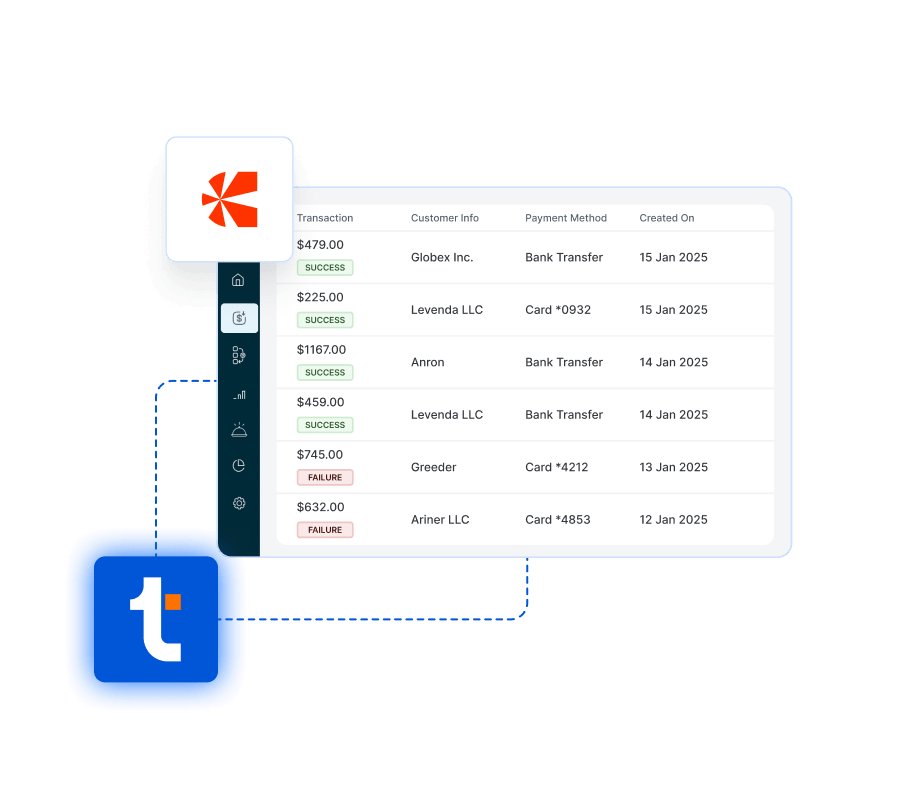
Problem #1: Billing systems that don’t scale
Chargebee’s Chief Accounting Officer Lydia Stone shared that one of the first cracks companies notice as they grow appears in billing. Early on, it’s easy to rely on spreadsheets and homegrown systems to keep things running. But as the business grows, those makeshift setups turn into major friction points.
Finance teams spend hours reconciling invoices and usage data. Developers are pulled into billing changes that should be automated. And because data lives in disconnected tools, leaders lose real-time visibility into metrics that matter most.
Key takeaway: DIY billing might get you through the early stages, but it can quickly stall growth.
Problem #2: Payments that leak revenue
Michael Krantz, Head of North American Partnerships at GoCardless, pointed out that payments are one of the most overlooked sources of revenue friction.
That’s because when payment options are limited or transactions fail, revenue gets stuck before it ever hits your books. Layer on the risks of storing sensitive data or missing ACH requirements, and payments turn from a back-office task into a real growth constraint. The longer those issues go unresolved, the more they quietly slow your ability to grow recognized revenue.
Key takeaway: A modern payment strategy isn’t just about collecting cash, it’s about removing friction and risk so more of your growth actually turns into revenue.
Problem #3: Compliance left for later
TaxCloud President Joe Stanton shared the common misconceptions that lead SaaS companies to put sales tax on the back burner. What seems minor early on often becomes a costly, time-intensive distraction from growth later.
Many SaaS teams assume sales tax doesn’t apply to them yet, or that they’ll figure it out once growth slows down. Nevermind not thinking it’s a problem today, growing SaaS companies often don’t have the expertise or bandwidth to tackle sales tax on their own. So, you’re not alone if you’ve left sales tax to the wayside.
Here’s what you need to know: SaaS is taxable in many states, remote employees can expand your physical nexus, and entering new markets often triggers tax obligations sooner than expected. The longer compliance stays on hold, the bigger and more expensive the problem becomes.
Key takeaway: Compliance isn’t a “later” problem, it should be part of how you proactively plan for growth.
Do any of these challenges sound familiar? Even our speakers admitted they’ve faced the same growing pains in the past.
The good news: all of these issues are fixable — here’s how to move forward.
How to build smarter SaaS systems that scale
Scaling smarter starts with replacing patchwork fixes with connected systems. Here’s how today’s SaaS finance leaders are modernizing billing, payments, and compliance to stay ahead of growth.
1. Build a billing infrastructure that grows with you
Lydia from Chargebee shared that scalable billing starts with automation and flexibility. Modernizing your billing foundation helps finance teams move faster, adapt pricing models, and eliminate the manual work that slows growth.
Here’s what to look for:
- Automate core billing tasks: like invoicing, collections, and revenue recognition. So your team can focus on analysis, not admin work.
- Flexible pricing options: pricing is a critical part of your revenue strategy. Which means you should constantly be testing and learning, not spending several engineering cycles every time you want to make a pricing change. You want the ability to move fast, test new billing models, and have the visibility to make better decisions.
- Centralize billing data: stop the back-and-forth wondering if your data is correct and connect your systems to create a single source of truth for your teams. An accurate view of customer accounts, cash flow, and revenue metrics helps everyone make better decisions and work toward shared goals.
Key takeaway: Don’t wait for growth to force the change. The earlier you modernize your billing foundation, the easier it becomes to adapt, report accurately, and scale with confidence.
Ready to take action? Go check out Chargebee. They’ll help you put this playbook into action and build a billing system that scales with your growth.
2. Turn payments into a growth advantage
Michael from GoCardless shared that payments are often one of the biggest untapped opportunities for SaaS companies. When you remove friction from how customers pay and how that revenue flows through your systems, you improve both cash flow and customer experience.
Here’s how to get started:
- Offer more ways to pay: Don’t let narrow payment options block revenue. Support multiple methods like ACH, cards, and digital wallets to meet customers where they are and reduce failed transactions.
- Automate payment collection: Set up automatic retries and reminders to recover failed payments without manual follow-up. It’s a small change that can save hours of admin time and prevent unnecessary churn.
- Connect your billing and payment systems: Real-time reconciliation between billing and payments helps you see what’s been paid, what’s pending, and where issues occur (without manual matching).
- Monitor and optimize performance: Track payment success rates, failure trends, and retry outcomes so you can identify issues early and continuously improve.
Key takeaway: Your payment process is part of your customer experience. Streamline it, automate it, and connect it to your billing system to turn every transaction into revenue you can count on.
Ready to take action? Explore GoCardless. They’ll help you simplify payments, reduce friction, and keep revenue flowing smoothly as you scale.
3. Make compliance part of your growth strategy
Joe from TaxCloud reminded us that compliance shouldn’t be an afterthought, it’s part of being proactive with your compliance as you grow.
Here’s how to get started:
- Evaluate your nexus: understand where your company has sales tax obligations. This will be based on where you have a physical nexus (like an office, remote employees, etc) or economic nexus (where you’ve surpassed state thresholds).
- Integrate tax with billing and payments: look for solutions that embed directly into your existing systems and workflows. The better these systems are connected, the more you can rest easy knowing it’s accurate and you don’t have to spend your own time on it (you’ve got better things to worry about).
- Stay ahead of changing regulations: Tax rules vary by state and jurisdiction, and they evolve constantly. Look for a compliance partner or platform that updates automatically, so your team doesn’t have to track every change manually.
Key takeaway: Compliance isn’t just about avoiding penalties, it’s about enabling growth. Automating and integrating tax early gives your business the confidence to expand without slowing down.

Wrap up: advice from the experts
We wrapped up the webinar by asking each speaker to share one piece of advice for finance leaders looking to scale smarter. Here’s what they had to say:
- Lydia (Chargebee): “There’s a price in waiting.” Don’t delay system upgrades until growth forces your hand. Modernize early to stay ahead.
- Michael (GoCardless): “Pick an ecosystem that plays well together.” Choose integrated tools that reduce rework and give you a complete view of your revenue engine.
- Joe (TaxCloud): “Focus on what creates customer value.” Automate or delegate the rest so your team can focus on strategic work that drives impact.
Key takeaway: Operational readiness is a choice. Build your foundation early so you can focus on growth, not catching up.
That’s exactly what Chargebee, GoCardless, and TaxCloud are helping SaaS companies do. Together, we form an ecosystem that brings Michael’s advice to life: one where your billing, payments, and compliance all work in sync. With the right foundation in place, growth doesn’t have to mean more complexity.
Ready to take action?
We’ll help you stay compliant, simplify your workflows, and keep your business ready for whatever growth brings next.